Is Weakness the Only Concern for the Pelvic Floor?
Updated: May 6
By Eleanor Lee-Bognar (Director of Integrated Pelvic Floor & Women's Health Physiotherapist)

As a pelvic floor physiotherapist with over 25 years of experience, I often find that my explanation of how pelvic floor dysfunction is not only related weakness is met with surprise. While social media and networking have increased awareness of this topic, most conversations focus exclusively on muscle weakness, "looseness" and prolapse.
The overlooked issue: a tight pelvic floor
However, it is rarely understood that an overactive or "tight" pelvic floor can result in symptoms, including urinary leakage, difficulty emptying the bladder or bowels, and painful or inability to have intercourse, UTI like symptoms and constipation. Statistics show these issues affect approximately 30-40% of women.
How the pelvic floor functions
The pelvic floor functions as a tonic muscle to support the bladder, uterus, and bowels. It is composed of mostly striated muscles, which means we can voluntarily activate this muscle; it exhibits a range of motion (ie have movement in the muscles).
It can be subject to pain or nerve involvement. Increased muscle tone can be caused by pain (such as endometriosis or adenomyosis), chronic infections, trauma, surgery, mechanical injuries, over-training the "core", or stress.
Assessment and treatment
A trained physiotherapist can perform an examination to assess muscle tone and movement of the muscles and pain sites to determine a tailored management plan. Treatment typically involves assisted relaxation, education on improving muscle function with functional exercises, specific relaxation techniques and the use of biofeedback.
The pelvic floor as part of the “true core”
Improving a hypertonic pelvic floor is as important as improving any other areas of the body ie. gastric and soleus (the calf) muscles for improving gait. The pelvic floor is part of the big four which forms the true core. A lot of us hear core being thrown around and understand this to be reference to the abdominals.
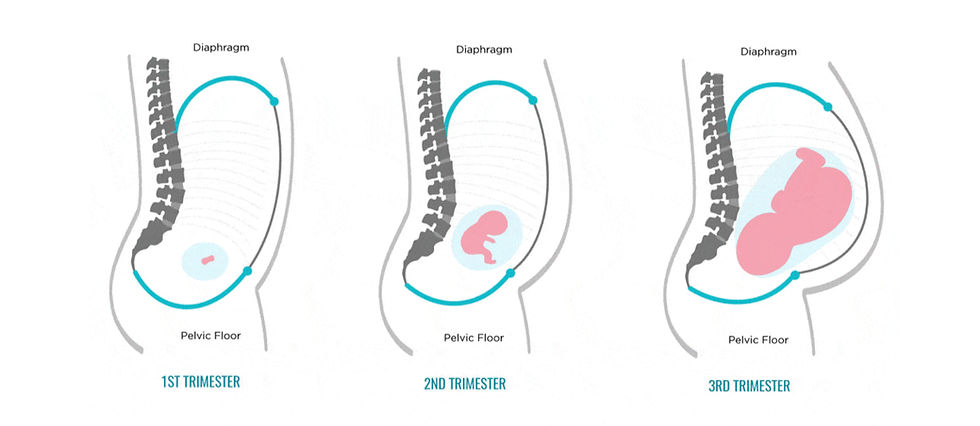
The true core consists of the diaphragm, transversus abdominis (the deep abdominals or the B line in Pilates reference), pelvic floor and the multifidus (deep back muscles). These 4 sets of muscles works in synergy, an imbalance in one or more of these core muscles can result can effect functional capacity.
Get the right assessment first
Improving a hypertonic pelvic floor significantly enhances quality of life. While women are often told to strengthen these muscles, general strengthening instructions can actually worsen tightness.
A professional assessment is the best way to understand and address the specific issues.
Book an assessment today!